
Say you order 300 hoodies from a listing that calls them premium heavyweight fleece. The cartons arrive and the hoodies are thin. The listing was accurate by the supplier's definition: the blank is an 8 oz hoodie in a 50/50 cotton-poly blend, and in print on demand that counts as heavyweight. The hoodie you pictured was 550 GSM garment-dyed cotton, with about twice the fabric in it. Both are sold as premium merch.
This guide is for whoever signs off on that order: a brand owner, an artist's manager, or the marketing lead running a company store or a tour table. It goes through what you can write on a spec sheet and check when the sample arrives, from fabric weight and cotton to print method and labels. Premium merch, on a spec sheet, means a stated fabric weight, named cotton and construction, a tested finish, a durable print method and your own label. The last section is a checklist you can send to any supplier you're comparing.
What "premium" means on a spec sheet
Most quotes describe the hoodie in a few words: premium heavyweight, soft cotton, retail quality. When the sample arrives, none of those words help you judge it. These five things do:
- Fabric weight, in grams per square meter (GSM) or ounces per square yard.
- Yarn: the fiber content and how the cotton was spun.
- Construction: the knit type and the seams, ribs and hems that hold the garment together.
- Finish: dye method, washing and shrinkage control.
- Decoration and trim: how the artwork was applied, the label in the neck and the hangtag outside.
Ask for all five in writing before you pay a deposit. If a supplier can't answer one of them, they haven't measured it.
Fabric weight: GSM, oz/yd², and where heavyweight starts
Lift a hoodie out of the carton and the first thing you notice is weight. It's also the one spec with a published test method behind it. ASTM D3776/D3776M covers "the measurement of fabric mass per unit area (weight)" for most fabrics. GSM is the metric result and ounces per square yard is the US one. One ounce per square yard equals 33.9 grams per square meter, so any quoted weight converts either way:
| oz/yd² | GSM | Where you see it |
|---|---|---|
| 4.2 | 142 | Lightweight fashion tees |
| 6.0 | 203 | The floor most sources use for a heavyweight tee |
| 7.0 | 237 | Boxy heavyweight tees |
| 8.0 | 271 | A common print-on-demand hoodie blank (Gildan 18500) |
| 12.0 | 407 | Heavy fleece |
| 16.2 | 550 | BOMME STUDIO hoodies and crewnecks |
No standards body defines "heavyweight," so suppliers draw the line where it suits their catalog. Printful counts tees at 200 GSM and up. Real Thread says 6 oz or more, with most heavyweight tees between 6 and 7.5 oz (200 to 250 GSM). Apliiq starts at 6.5 oz, and Stanley/Stella uses a 7 oz, 240 GSM tee as its example. Put those together and a heavyweight tee starts somewhere between 6 and 6.5 oz, about 200 to 220 GSM. Under 180 GSM it's a lighter tee, whatever the listing says.
The Gildan 18500 Heavy Blend shows how far the word can stretch. It's one of the most common print-on-demand hoodie blanks, and its spec sheet lists it at 8 oz, 50% cotton and 50% polyester. That's 271 GSM, with "Heavy" in the product name. A 550 GSM cotton hoodie has about twice the fabric per square meter. When a buyer tells us their last order arrived thin, this is almost always what happened: they pictured heavyweight cotton fleece and received 271 GSM of blend.

When a supplier quotes a weight, ask two more things. Is it 100% cotton or a blend? A 50/50 blend and 100% cotton at the same 271 GSM drape differently, hold heat differently and pill differently. And was it weighed before or after washing? Fabric is weighed on the roll, before cutting. If the finished garment is washed or garment dyed and shrinks, the same fabric covers less area and measures heavier per square meter than the roll did. A supplier who can't tell you which number they quoted hasn't tested the fabric after washing.
Cotton: ringspun, combed, open-end and slub
Two tees can weigh the same 200 GSM and feel nothing alike. The difference is in the yarn: how the cotton was spun, and whether the short fibers were combed out before spinning.
Cotton Incorporated's technical bulletin on open-end spinning puts numbers on the first part. Open-end, or rotor-spun, yarns "are usually weaker than ring yarns," by 10 to 30 percent, because the fibers lie less parallel. They're bulkier and more even, with fewer fiber ends on the surface. The bulletin doesn't make the softness claim that blank catalogs make for ring-spun cotton; what it documents is strength and surface hairiness. When a heavy tee still feels coarse in the hand, open-end yarn is usually why. The weight is there and the fibers aren't aligned.
Combing is an extra step after carding that removes the shortest fibers and any remaining debris. The Textile Glossary describes combed yarn as finer, smoother, stronger and more compact than carded, with fewer irregularities and less pilling, because the short fibers that work loose and ball up are gone. "Combed ring-spun cotton" on a spec sheet is two separate upgrades in one phrase.
The slub cotton tee BOMME STUDIO made for Janelle Monáe through Warner Music Group is a case where texture was the point. Slub yarn has intentional irregularities in thickness, which show up in the knit as a subtly uneven, vintage surface. That tee, cut to a vintage-reference fit, sold through and was reordered. Slub describes the look and says nothing about the yarn quality underneath it, so a slub tee can be knit from good yarn or poor yarn, and the yarn spec still has to be written.
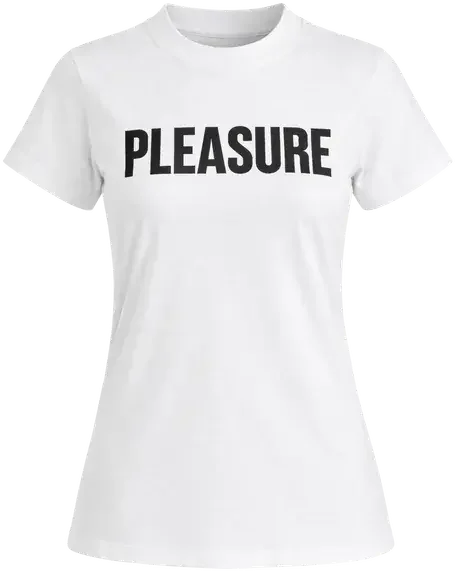
On the spec sheet, list fiber content by percentage, ring-spun or open-end, combed or carded, and slub if you want it.
Fleece versus French terry
Turn a hoodie inside out. If the back of the fabric shows small loops, it's French terry. If the loops have been brushed into a soft nap, it's fleece. Both start as the same loopback knit.
French terry keeps a smooth, flat face on one side and the loops on the reverse. The smooth face takes print well. Weights run from about 180 GSM for a light summer terry up to 300 to 450 GSM for heavy terry.
Fleece is that same knit after brushing. Brushing traps air, which is where the warmth comes from, and it raises fiber ends to the surface, which is where pilling starts. The pilling is worst when the yarn is carded and the short fibers were never combed out. At the same weight, a brushed fleece made from combed yarn pills less than one made from carded yarn, so "combed ring-spun fleece" on a listing tells you far more than "fleece."
Choose French terry for warmer weather, layering, or artwork that needs a flat surface. Choose fleece when warmth is the priority and the yarn is good enough to take the brushing.
Garment dye and pre-shrinking
A garment-dyed hoodie is sewn first, from undyed fabric, and goes into the dye after. That order of operations is what gives it the washed, broken-in look, and it's also where the shrinkage and shade problems come from. Cotton Incorporated's bulletin on garment dyeing of cotton apparel covers both sides.
On the plus side, color decisions can be made late, lead times and excess inventory "can be significantly reduced," unused fabric stays undyed, and the finish comes straight from the process.
On the other side, undyed fabric shrinks more in the dye cycle, so patterns are cut oversized to land on the right finished measurements. Thread has to be cotton or corespun cotton-polyester so it dyes close to the body shade, since mercerized thread dyes darker. Trims, zippers, pockets and labels take dye differently from the body, and delicate trims can be damaged. In the bulletin's words, "some shade differences will occur between the different components." If your woven label needs to stay one color, sew it in after dyeing or specify one that holds its color through the dye.
Shrinkage can be tested before you commit. AATCC TM135 is the standard home laundering test, run across four wash temperatures, three agitation cycles and four drying procedures. In the Cotton Incorporated study, TM135-IIB predicted how 100% cotton garments shrank, and unfinished shirts shrank far more than garments cut from mechanically preshrunk fabric. Ask your supplier what the fabric measured after TM135 or an equivalent, and whether the size chart is built on post-wash measurements. "Pre-shrunk" with no number attached doesn't tell you much. To run a rough version yourself, BOMME STUDIO's fabric shrinkage calculator walks through a 20 by 20 inch square test. When to choose garment dye over piece dye is covered in a separate post on garment dyed versus piece dyed clothing.
Cut and fit: oversized, boxy, drop shoulder
Two factories can both call a hoodie oversized and cut two different garments. At one, it's a size up with the same proportions. At the other, it's a wider chest, a shorter body and a dropped shoulder seam. Either can be right, and the factory can only make the one you wrote down.
So write the measurements down. For a hoodie or tee, the ones that define the silhouette are chest width, body length from the high point shoulder, shoulder width or drop, sleeve length, and rib height at the hem and cuff. For a hood, add height, width and whether it's lined. Ask for a graded size chart across the full run rather than one sample size, and ask which size the sample will be cut in so you can fit it on someone that size. A boxy tee that looks right in a medium can grade badly into an XXL if length and chest aren't graded together.
Put on the spec that the measurements you're approving are after washing. A sample can measure correctly off the sewing line and wrong after its first wash if the fabric wasn't stabilized, and the washed measurement is the one your customer lives with.
Construction details worth a line on the spec sheet
A production manager checking a sample turns it inside out before reading the label. These are the places they look:
- Hems and cuffs. Knit hems should be coverstitched, which stretches with the fabric. A lockstitched knit hem pops its threads. Ask for coverstitch at the hem and sleeve.
- Rib. The rib at the cuffs, waistband and neckline is there for recovery, and the ratio of rib to body matters. Too loose and the neckline bags after a few wears; too tight and the hem rides up. Stretch the cuff on the sample and watch it return.
- Seam intersections. Fleece and heavy terry are bulky, and the trouble starts where seams cross, at the underarm and where the hood meets the shoulder. Those intersections should be flat and even on the inside.
- Bartacks. Short reinforcing stitches at stress points: pocket corners, the base of a zipper, the drawcord exits on a hood. A kangaroo pocket without them gives way at the corners first.
- Hood. Lined or unlined, single or double layer, drawcord with metal tips, plastic tips or none. Each choice changes cost and weight.
All of these take a few minutes to check on a sample.
Decoration: how each method wears
The complaint that follows thin fabric is the graphic that cracked after three washes, and the print method decides that more than the artwork does. BOMME STUDIO's post on DTF, DTG and screen printing compares the three methods most buyers choose between. Here is how each one wears, and why.
Screen printing with plastisol
Plastisol is the production standard for screen printing. The ink sits on top of the fabric as a cured film, and one Oregon print shop's ink guide credits it with "high durability and wash fastness" and strong opacity. The trade-off is hand, meaning how the print feels: you can feel a plastisol film. Screen printing lays down a thicker ink layer than digital methods, which is why it lasts and also why it feels heavier.
Water-based and discharge printing
Water-based inks dye the fibers instead of coating them, which gives the print "a softer and smoother hand feel," and they work best on light fabrics. Discharge ink removes the garment's dye where it's printed, and pigment can be added to put color on dark garments, with the same soft hand once the print is fully cured. Either is the right call for a vintage look on a heavyweight cotton tee, where the print should feel like part of the fabric.
Puff
Puff ink is plastisol with an expanding additive, mixed at 10 to 20 percent by weight, that rises when it reaches its activation temperature in the dryer. Less additive gives texture and more gives height, but above 20 percent the ink weakens and can flake. Puff is usually a one- or two-color effect, and it looks best on a heavyweight garment that can carry the raised print without the fabric showing through.
Embroidery
Embroidery is thread, so the design itself won't crack or peel. The fabric around it is the risk. Knits stretch and shift, and Madeira's backing guidance is to use a cutaway stabilizer on them. Dense designs on lightweight fabric curl and won't lie flat, so the advice is to use underlay and keep stitch counts down. Heavyweight fleece carries a large chest or back embroidery without distorting, which is why big embroidery suits a heavy hoodie and puckers on a thin tee.
DTG (direct to garment)
The DTG tee that looked fine on day one and had faded by the tenth wash has a mechanism behind it. DTG prints water-based ink straight onto the garment, and print-on-demand platforms such as Printful use it for most apparel. It needs cotton. Printful's own guidance is 60 percent cotton or more with a pretreatment step first, and skipping pretreatment "can result in poor-quality prints that fade or wash out quickly." Screen Printing magazine's piece on durable DTG prints fills in the rest: a thin ink film reaches its breaking point sooner than a thicker one, looser knits give the ink less to grip, and hot water softens the ink faster than cold. Light fabric, light pretreatment, thin film and a hot wash, and you have that tenth-wash tee.
DTF (direct to film)
With DTF, the artwork is printed onto film, dusted with adhesive powder, cured, then heat pressed onto the garment. Impressions magazine's DTF overview is candid that the print "sits atop the fabric," which can feel plastic and reduce breathability on large designs. Quality has improved quickly. One transfer vendor quoted in the piece claims more than 100 washes line dried and more than 60 in a dryer, though that's a vendor figure rather than an independent test. DTF's strength is flexibility: full color, no screens, almost any fabric and small quantities, which suits a sample or a 40-piece drop. On a 600-piece run where screen printing is an option, the heavier hand and the time spent pressing each piece count against it.
Color count and cost
One- or two-color screen printing is the usual choice for a premium run. A third color adds a meaningful cost, and at four or more colors it's worth pricing DTF against screen printing. DTF will feel heavier, and its setup costs less.
Labels, hangtags and packaging
Turn the collar out and the neck label tells a customer whether they're holding a brand or a blank. It also has to satisfy the FTC.
Under the Textile and Wool Acts, a garment sold in the US must carry three things: the generic fiber names with their percentages by weight, the company name or its Registered Identification Number (RN), and the country of origin. On a garment with a neck, the country of origin goes on the front of a label at the inside center of the neck, and fiber content and RN can sit on the back. Care instructions are required separately, on a permanent label, under the FTC's Care Labeling Rule (16 CFR Part 423). A hangtag can refer to the label, and that's all it can do; the required information has to be on the label itself.
Within those rules there's room for the brand. Woven labels are made on a loom with the design woven into the tag. Damask weaves hold the most detail and resist fading, satin costs less and holds less detail, and taffeta is the cheapest and can feel scratchy at the neck. Printed labels are soft and inexpensive but "may not hold up over time and many machine washes." A print-on-demand blank arrives with the blank maker's label or a printed inside label. A manufactured run arrives with yours, in the weave and position you specified: neck, side seam or both.
Hangtags, a branded polybag, a folded presentation and an insert card cost little next to the garment, and they're the first things the customer sees. Specify them, and decide which channel you're packing for. A tour table and a direct-to-consumer drop need different packaging.
Sampling and approval
The sample is where all of this gets checked, and what you approve is the standard the bulk order is held to.
Ask for it in your fit model's size, cut from production fabric in the production color, with the production label sewn in. Measure it against your spec, wash it on the cycle your customer will use, and measure it again. Have your fit model raise their arms and sit down in it, since that's where length and shoulder problems show. Then check the decoration: stretch the graphic and look for cracking, turn the garment inside out to see the back of the embroidery, and run a thumbnail along the edge of any DTF print.
Approve the sample in writing, against measurements and photos, and keep it as the reference for the bulk inspection. If the bulk differs from a measured, approved sample, you have grounds to reject it. A digital render shows placement and color and can't be measured, so when fit matters, ask for a physical sample. BOMME STUDIO's post on the sample development process walks through each stage, from the first pattern to a sew-by sample.
Print on demand versus a manufactured run
Both produce merch. Here is how they compare on the points above.
| Print on demand | Manufactured run | |
|---|---|---|
| Blank | A catalog blank from a mill brand, printed when ordered | A developed style, or a mill blank chosen and finished to your spec |
| Hoodie weight you typically get | 8 oz / 271 GSM, 50/50 blend (the Gildan 18500 standard) | What you specify; 550 GSM 100% cotton at BOMME STUDIO |
| Decoration | DTG or DTF, one piece at a time | Screen print, embroidery, puff, DTF for small quantities |
| Neck label | The blank maker's label, or a printed inside label | Your woven label, at the neck and side seam if you want it |
| Minimum | None | 25 units per style (BOMME StudioLab), 150 (cut and sew), 600 (full package) |
| Inventory | None held; shipped per order | You hold it, or a fulfillment partner does |
| Sample approval | A digital mockup | A physical sample you measure, wash and wear; in StudioLab, a digital render you approve, with blank samples available to buy |
| Where it fits | Testing a design, a creator store with unknown demand, long-tail SKUs | A tour, a drop, a company store, anything where the garment is the product |
With print on demand you don't buy inventory, and you don't choose the hoodie either. Whatever the platform stocks is what ships.
The premium merch spec checklist
Send the first two columns to every supplier you're comparing, and check their answers against the third.
| Spec | What to ask | What a premium answer looks like |
|---|---|---|
| Fabric weight | GSM or oz/yd², and before or after wash | Tee: 200 GSM or more. Hoodie: the number, stated, with the wash status |
| Fiber content | Percentages by fiber | Stated to the percent; matches the neck label |
| Yarn | Ring-spun or open-end; combed or carded | Combed ring-spun for tees and terry |
| Knit | Jersey, French terry, fleece | Named, with the GSM |
| Dye | Piece dyed or garment dyed; thread and trim dye plan | Stated, with shade tolerance agreed |
| Shrinkage | Tested how, result, size chart basis | AATCC TM135 result or equivalent; size chart is post-wash |
| Fit | Graded size chart, sample size, fit model | Full chart across the run; sample size named |
| Construction | Hem stitch, rib ratio, bartacks, hood build | Coverstitch hems, rib with recovery, bartacks at stress points |
| Decoration | Method, ink type, color count, cure | Screen print or embroidery for the run; method matched to fabric |
| Label | Woven or printed, placement, FTC content | Woven damask or satin; fiber, RN, origin, care all present |
| Packaging | Polybag, fold, hangtag, insert | Specified per channel |
| Sample | Fabric, color, size, label, wash test | Production fabric and label; measured before and after wash |
| Approval | What is signed off and against what | Written approval against a measured, photographed sample |
About BOMME STUDIO
BOMME STUDIO is a Los Angeles based merch manufacturer making premium merch for artists, labels and brands. The core of the line is 550 GSM cotton hoodies and crewnecks, with joggers, oversized tees, caps, keychains and similar accessories alongside. Cut and sew starts at 150 units per style and full package at 600. For smaller runs, StudioLab works at 25 units per style: you approve a digital render of your branded style before production, and blank samples are available to buy. Our dye and fabric partners hold bluesign, OEKO-TEX STANDARD 100 and GOTS certifications.
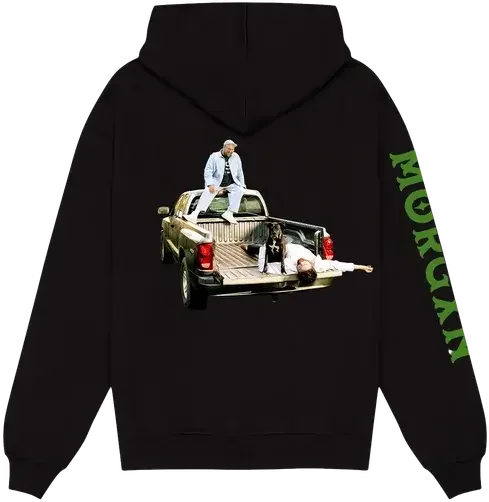
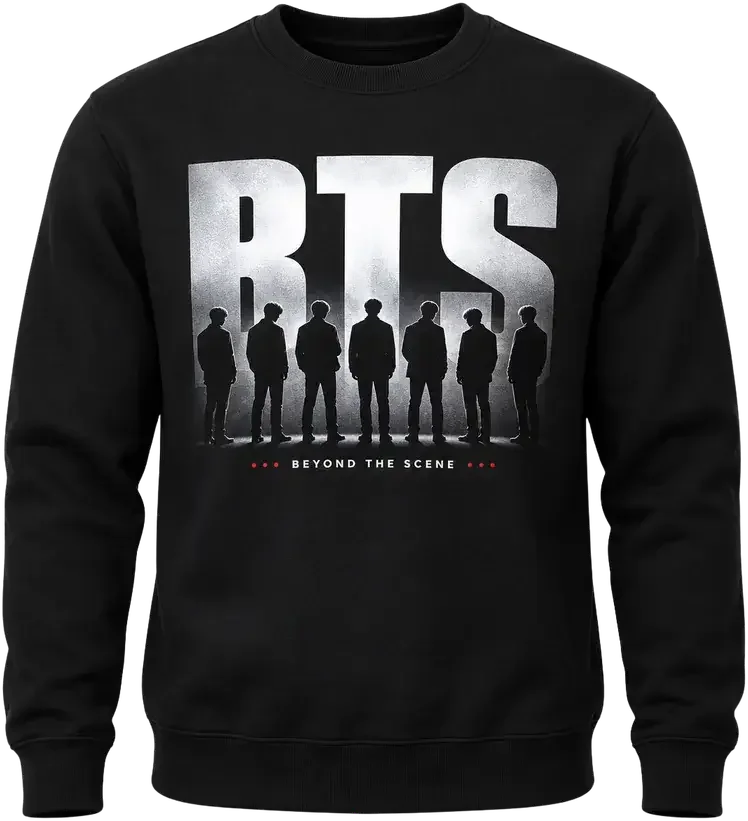
Our work includes merchandise for a multi-Grammy Award-winning artist's world tour, a black crewneck for BTS and Netflix's The Comeback Live, the Janelle Monáe slub tee above, and merch for Heineken at Coachella, Charli XCX, morgxn with BMG, Super Troopers 3 and Hasan Piker's Ideologie.
If you have a tech pack, send it over. If you have a sketch and a quantity, send those and we'll tell you what the spec should say.
Frequently asked questions
What does "premium" mean in clothing?
There's no standard definition. On a spec sheet it comes down to five things you can measure or name: fabric weight in GSM, the fiber and how the yarn was spun, the knit and seam construction, dye and shrinkage control, and the decoration and labels. Before you order, ask your supplier for all five. Each should come back as a number or a name.
What is a premium T-shirt?
Most blank makers and printers put the heavyweight threshold between 6 and 6.5 oz per square yard, roughly 200 to 220 GSM. A premium tee is usually at least that heavy, in combed ring-spun cotton, with coverstitched hems, a rib neck that recovers after stretching and a woven label. Weight on its own isn't enough, since a heavy tee in open-end carded cotton still feels coarse.
What makes a hoodie premium?
Start with weight and yarn. The standard print-on-demand hoodie is 8 oz (271 GSM) in a 50/50 cotton-polyester blend, while heavyweight cotton fleece and terry generally run 300 to 450 GSM and up; BOMME STUDIO's hoodies are 550 GSM. Then look at construction: combed ring-spun yarn so the brushed fleece pills less, coverstitched hems, rib cuffs and waistband with good recovery, flat seam intersections at the underarm and hood, bartacks at the pocket corners, and a lined hood if the design calls for one.
What is heavyweight cotton?
It's cotton fabric at the heavy end of the range for its garment type, measured in GSM or ounces per square yard under ASTM D3776. For tees, the trade convention starts around 200 GSM (6 oz). Heavyweight fleece and French terry generally run 300 to 450 GSM, and some go heavier. The term isn't regulated, so always ask for the actual number.
How is manufactured merch different from print on demand?
Print on demand prints a catalog blank with DTG or DTF when an order comes in, with no minimum and no inventory to hold. A manufactured run uses a garment developed or specified for you, decorated with screen printing or embroidery, with your own woven label, a physical sample you approve and a minimum order. Print on demand suits testing a design. A manufactured run suits a tour, a drop or a company store where the garment is the product.
