
Understanding Different Types of Jackets: A Technical Guide for Apparel Brands
The Role of Jackets in High-End Apparel
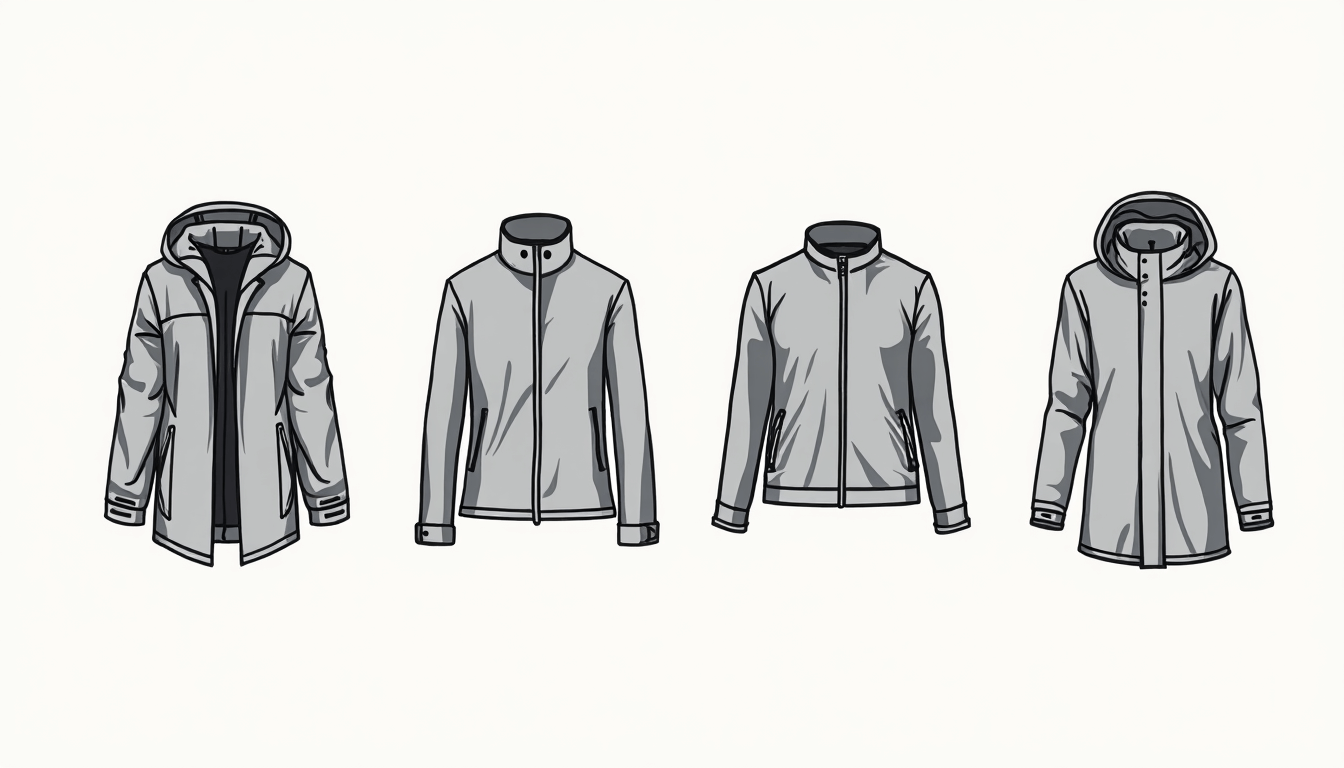
Jackets are a cornerstone of premium apparel collections, requiring precise craftsmanship, material selection, and production expertise. The jacket definition extends beyond mere outerwear; it encompasses a garment that provides both style and functionality. Understanding what makes a jacket a jacket is crucial for apparel brands: it's typically a hip-length garment with long sleeves and a front opening, designed for warmth and style. Unlike mass-market outerwear, luxury jackets demand meticulous attention to fabrication techniques, structural integrity, and finishing details that define their quality. Understanding different jacket types from a construction and manufacturing perspective is essential for apparel brands seeking to develop standout pieces that merge functionality with elevated aesthetics.
In this guide, we explore five core jacket categories, dissecting their construction, fabric considerations, and technical aspects essential for high-end production. Throughout this discussion, we will also examine various types of jackets, types of coats, and different types of coats to help brands make informed decisions about their product lines. From men's fashion jackets to types of jackets for women, we'll cover a wide range of styles and their unique characteristics. This comprehensive overview will include types of mens jackets, types of jackets for men, and various styles of jackets that have become staples in the fashion industry.
1. Denim Jackets: Heritage Craftsmanship Meets Modern Precision
Construction Considerations:
Fabric Selection: Premium denim jackets require high GSM selvedge or ring-spun denim to ensure durability and structure.
Seam Techniques: Double-needle chain stitching enhances strength, while bar tack reinforcements improve longevity.
Finishing Methods: Wash treatments such as enzyme, stone, or ozone washes influence texture and aesthetic appeal.
Hardware: Branded shank buttons, reinforced rivets, and premium contrast stitching add to the jacket's durability and design.
Production Insights:
Brands should consider laser distressing over sandblasting for sustainable finishing during the denim manufacturing process.
Incorporating a recycled cotton blend can enhance sustainability while maintaining the jacket's signature rigidity.
Denim jackets remain one of the most adaptable types of jackets, effortlessly blending heritage craftsmanship with modern fashion trends. The trucker jacket, a classic denim style, exemplifies the versatility and enduring appeal of this category. When considering the question of when were jackets invented, the denim jacket has a rich history dating back to the late 19th century, evolving from workwear to a fashion staple.
2. Leather Jackets: Mastering Precision in Cut and Construction
Material & Construction:
Leather Type: Full-grain and top-grain leathers offer superior durability, while vegetable-tanned leather develops a rich patina over time.
Paneling & Stitching: Fewer panels with strategic darting ensure a sleek, tailored fit, while triple-stitched seams enhance resilience.
Lining Selection: Silk or high-grade cupro linings provide breathability and luxury, enhancing both comfort and garment longevity.
Edge Finishing: Burnishing, edge coating, or raw-edge treatments define the level of refinement in craftsmanship.
Production Insights:
High-end leather jackets require hand-finishing for seamless panel transitions and natural leather aging.
Brands should invest in custom hardware molding to maintain a distinct luxury identity.
Leather jackets are one of the most sought-after jacket styles, commonly associated with timeless craftsmanship and bold fashion statements. The leather jacket has been a staple in men's jacket styles since its inception, with its jacket meaning evolving from purely functional to a symbol of rebellion and style. As one of the most iconic kinds of jackets, the leather jacket continues to be a versatile style that adapts to various fashion trends.
3. Bomber Jackets: The Intersection of Technical and Streetwear
Structural Elements:
Fabric Choices: Lightweight nylon blends, coated cotton, or technical ripstop offer durability and weather protection.
Padding & Insulation: Premium options include Thermore®, PrimaLoft®, or recycled down alternatives for warmth without bulk. The choice of insulation is crucial in determining the jacket's performance in various weather conditions.
Cuff & Collar Design: Ribbed cuffs and collars should be made from high-retention elastic blends to prevent stretching over time.
Zipper Selection: YKK EXCELLA® or Riri zippers enhance both aesthetic and functional durability.
Production Insights:
Custom dyed nylon or PU-coated finishes elevate color depth and longevity.
Oversized fits and dropped shoulders align with modern luxury streetwear silhouettes.
Bomber jackets are a versatile type of jacket, transitioning seamlessly between casual wear and high-end fashion collections. The bomber jacket's origins in military aviation have influenced its design, making it a popular choice for both men's and women's fashion. This military-inspired heritage adds depth to the bomber jacket's appeal, making it a staple in mens fashion jackets.
4. Blazers: Precision Tailoring and Sartorial Excellence
Core Tailoring Elements:
Fabrication: Wool-cashmere blends, structured ponte, or high-twist wool for sharp, clean lines.
Canvas vs. Fused Construction: Full-canvas or half-canvas construction enhances drape and longevity compared to fused alternatives.
Buttonhole & Lapel Detailing: Hand-stitched Milanese buttonholes and soft-roll lapels define luxury craftsmanship.
Shoulder Structuring: Traditional roped shoulders provide a more defined silhouette, while unstructured shoulders create a relaxed drape.
Production Insights:
Brands should work with tailoring factories specializing in structured outerwear for precise lapel roll and sleeve pitch alignment.
Hand-sewn sleeve attachments elevate movement and fit compared to machine-stitched alternatives.
Blazers remain an essential type of jacket, bridging the gap between formalwear and contemporary street tailoring. The blazer's versatility makes it a key piece in both men's fashion jackets and types of jackets for women. As a cornerstone of professional and smart-casual attire, the blazer exemplifies what is considered a jacket in more formal settings.
5. Trench Coats: Engineering Elegance and Functionality
Key Design Features:
Fabric Selection: Water-repellent cotton gabardine, Ventile®, or coated wool blends ensure all-weather durability.
Belt & Closure System: Double-breasted closures with horn or corozo buttons reinforce structure.
Seam Sealing: For technical variations, heat-sealed or taped seams enhance waterproofing.
Ventilation & Breathability: Strategic back venting prevents heat retention while maintaining an elegant drape.
Production Insights:
Trench coat linings should be removable or feature breathable mesh panels for seasonless adaptability.
Metal D-rings and reinforced belt loops add durability for long-term wear.
Trench coats represent one of the most iconic types of coats, providing both aesthetic appeal and functional durability. Their design makes them ideal for transitional weather and layering. The trench coat's waterproof properties make it a practical choice for various weather conditions, showcasing how jackets can be both stylish and functional.
Key Takeaways for Luxury Jacket Production
For brands seeking to produce premium jackets at scale, understanding these core elements is critical:
Material selection defines quality – investing in sustainable, high-performance fabrics elevates longevity.
Construction techniques influence price and craftsmanship – opting for tailored, reinforced seams and specialty finishes creates distinction.
Hardware and detailing matter – from high-end zippers to custom buttons, every touchpoint contributes to the garment's premium feel.
Sustainable production methods – utilizing low-impact dyes, recycled textiles, and responsible tanning processes enhances brand reputation.
With this deep understanding of jacket styles, types of jackets, and different types of coats, apparel brands can confidently create high-end outerwear collections that stand out in today's competitive fashion industry. From the classic peacoat to the modern puffer jacket, and from the versatile anorak to the stylish Harrington jacket, there's a wide array of options to explore.
To further expand on the diverse world of jackets, it's worth mentioning additional styles that cater to various needs and preferences:
The varsity jacket, also known as a letterman jacket, combines sporty aesthetics with casual wear.
Windbreakers offer lightweight protection against the elements, perfect for active lifestyles.
Winter coats provide maximum warmth and insulation for harsh cold weather conditions.
Fleece jackets offer comfort and insulation, making them popular for outdoor activities.
Parkas are designed for extreme cold, often featuring a longer length and hood for added protection.
Overcoats provide a formal option for colder months, typically worn over suits or formal attire.
Chore jackets, shirt jackets, and utility jackets offer a blend of functionality and style, often featuring multiple pockets and durable fabrics.
These various styles showcase the versatility of jackets, catering to different needs from seasonal jackets for specific weather conditions to multipurpose options that work year-round. Understanding these diverse styles and their specific features is crucial for apparel brands looking to create comprehensive and appealing jacket collections.