Minimalism isn’t a trend. It’s a discipline. And in fashion, discipline usually wins.
A minimalist collection isn’t about owning less for the sake of it. It’s about building a tight set of pieces you reach for constantly—because they fit, they layer, they hold up, and they don’t fight each other. When it’s done right, “minimal” reads as confident and premium, not empty.
This guide breaks down how to design a minimalist collection that feels elevated, works across settings, and stays cohesive over time.
The Minimalism Shift and Why Less Is the New Luxe
Minimalism used to be framed as a design aesthetic. Now it’s closer to a philosophy: fewer choices, better choices.
People are more selective with what they buy, and they’re more aware of what ends up unused. The result is a growing preference for pieces that do more—items with longevity, repeatability, and a sense of personal relevance.
Quiet luxury fits into this, but the deeper driver is utility. A strong minimalist wardrobe reduces decision fatigue. It creates consistency. It feels intentional.
For many, this isn’t about aesthetics alone. Sustainability, emotional connection, and reducing decision fatigue all play a role. This is because the clothes and accessories you wear can be deeply personal — including the kind of understated jewelry you reach for every day when you have sensitive ears (Cords Club has options like minimalist helix earrings).
Minimalism isn’t about deprivation. It’s about curation. Every piece has to earn its place.
Start With a Clear System, Not Random “Basics”
Most minimalist collections fail because they start with vague ideas like “neutral staples” and end with pieces that don’t actually work together.
Instead, build a system:
Silhouettes: choose a small number of shapes you genuinely like on your body
Proportions: decide your dominant fit profile (relaxed top + straight pant, fitted top + wide leg, etc.)
Palette: pick a base set of neutrals and one accent family
Layering logic: ensure everything can stack without bulk or weird lengths
If your silhouettes and proportions are consistent, your wardrobe starts to look “designed” even when it’s simple.
Build a Core Capsule You Can Repeat Without Looking Repetitive
A minimalist collection isn’t a list of items. It’s a repeatable kit.
A strong starting capsule usually includes:
Top layer: a structured jacket, overshirt, or coat that defines the look
Mid layer: a sweater, crewneck, or hoodie that can stand alone
Base layers: tees and long sleeves that hold shape and color
Bottoms: one straight or relaxed pant and one alternative (wide leg, trouser, denim, etc.)
Footwear: one everyday pair and one slightly sharper pair
You’re not chasing variety. You’re building range through styling: layering, footwear changes, and texture.
Choose Materials That Feel Luxurious Because They Perform
Minimalist collections rely on fabric quality more than loud design. If the fabric looks tired, the whole look collapses.
Focus on materials that:
hold shape after wear
recover (don’t bag out at knees, cuffs, elbows)
age well (fade gracefully, resist pilling, keep structure)
feel good on skin (because these are the pieces worn most often)
Texture is also a cheat code in minimalism. A simple outfit can look expensive when it mixes clean textures: brushed fleece, dense jersey, crisp cotton, wool, denim, leather.
Fit Is the “Design” in Minimalism
If you strip out graphics and complexity, fit becomes the main event.
A minimalist collection should have:
consistent shoulder structure
intentional sleeve and body length
clean hems and openings
balanced proportions (not accidentally oversized or accidentally tight)
When fit is right, you don’t need trends. The piece looks like it was made for a specific point of view.
Don’t Overbuy Colors—Control Them
Minimalism isn’t “all beige.” It’s controlled color.
A good palette might look like:
Base neutrals: black, off-white, heather grey, navy, taupe
Bridge tones: charcoal, olive, chocolate, stone
One accent lane: rust, deep green, cobalt, or a muted seasonal tone
The goal is compatibility. If you can’t wear it with at least three other pieces, it’s not part of the system.
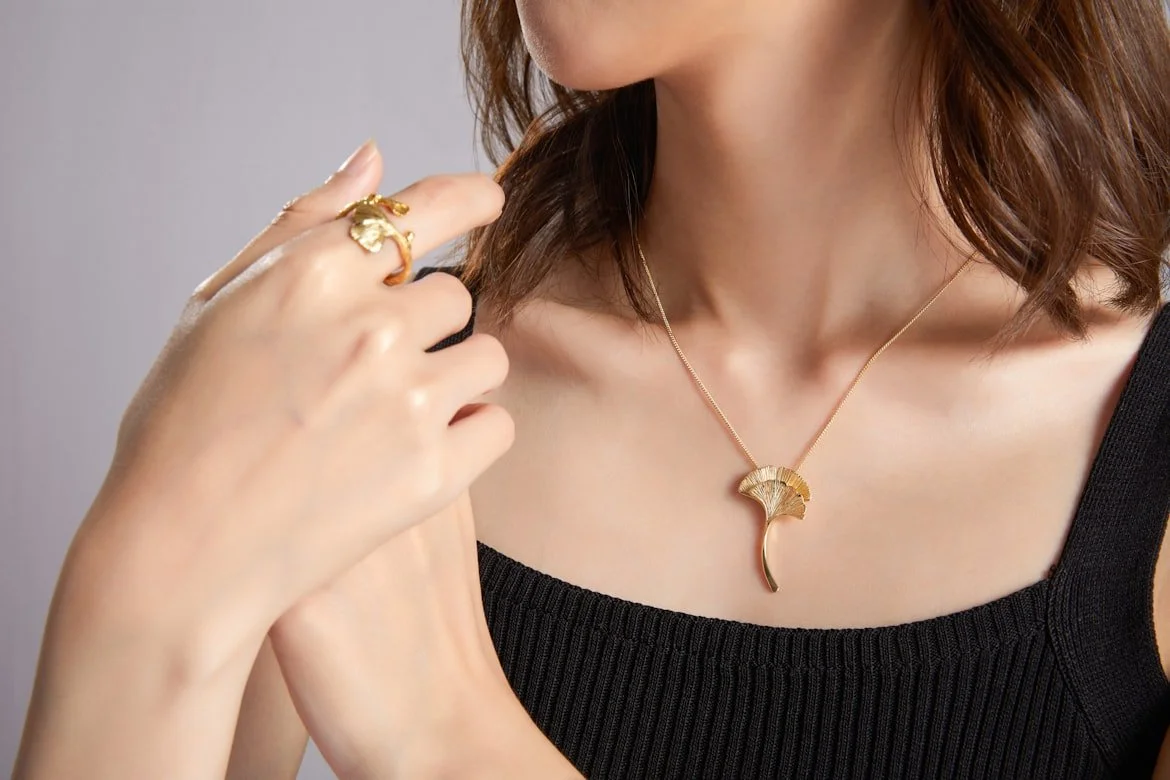
Accessories: KEEP IT SIMPLE
Minimalism can feel flat when everything is too “clean.” The fix isn’t more pieces—it’s one deliberate detail that adds contrast.
A simple approach:
pick one metal tone (silver or gold)
stick to one signature category (earrings, necklace, ring, or bracelet)
choose clean shapes that work with tees, knits, and outerwear
Minimalist helix earrings like what Cords Club offers are an example of jewelry accessories that work with any minimalist fashion collection. For a classic statement, Leibish’s emerald necklaces collection are another perfect wardrobe pairing.
What You Really Need in a Core Wardrobe
A minimalist wardrobe shouldn’t be built from fantasy scenarios. Build it from your real habits.
A simple way to do this:
Track what you wear for two weeks
Identify the repeat pieces (your true “uniform”)
Fill the gaps: the missing layer, the missing pant, the missing shoe
Remove anything that only works with one outfit
The point is not to own less. It’s to own what gets used.
Frequently Asked Questions
1. What is minimalist fashion style?
Minimalist fashion is a focused approach to wardrobe building: fewer pieces, stronger fit, controlled palette, and materials that hold up. The goal is consistency and longevity, not constant novelty.
2. How do I create a minimalist wardrobe?
Start by identifying what you actually wear. Then build around a small set of silhouettes and colors that layer well together. Prioritize fit and fabric quality, and avoid one-off pieces that don’t integrate into the system.
3. How do I find my style without chasing trends?
Look for patterns in what you repeat: shapes, proportions, colors, and textures. Style becomes obvious when you stop collecting random items and start building a consistent system.
Final Thought
A minimalist collection doesn’t ask you to care less about fashion. It asks you to be more intentional.
When every piece has a purpose—and works with everything else—you stop buying “maybes” and start wearing “definitely.” That’s what makes minimalism feel luxe.