Apparel Industry Insights
Explore the latest trends, techniques, and innovations in apparel manufacturing, offering expert tips and in-depth analysis for fashion designers and industry professionals.

What Makes merch Sell?
Merchandise (merch) is a great way for fans of a brand, event or other organization to show their allegiance and mark themselves as a supporter. On the opposite side, it’s a chance for brands to make money, but also primarily to create a community that naturally boosts their visibility and following.
But what makes merch sell? In this post, we explore four factors that help make your products sell out fast.

Vietnam Apparel Manufacturing & Korea Material Sourcing: The New Frontier in Apparel Production
The global apparel industry is in a period of transformation. With trade policy uncertainty, labor shortages, and increasing production costs in China, brands that fail to diversify their supply chains in the apparel manufacturing sector risk facing delays, higher costs, and inventory disruptions.
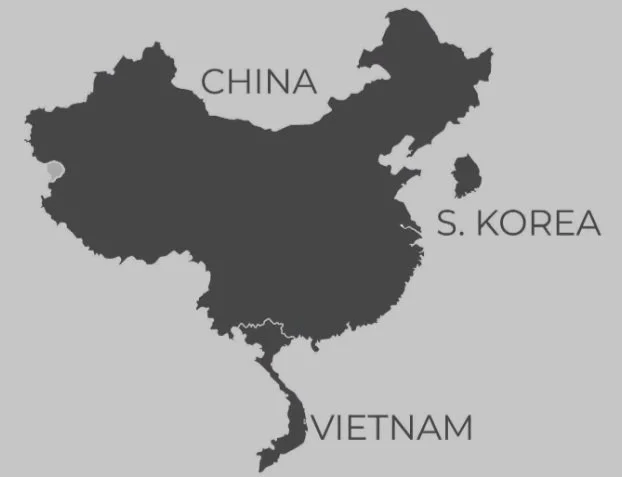
Supply Chain Diversification: Why Brands Must Pivot Out of China
For years, China has been the manufacturing powerhouse of the global fashion industry. However, shifting economic policies, rising tariffs, and increasing geopolitical tensions have made supply chain diversification more critical than ever. Many brands have already begun transitioning their production away from China, with Vietnam and South Korea emerging as leading alternatives. If your brand hasn’t started planning for this shift towards diversified supply chains, now is the time.

The Ultimate Guide to Target Costing for Apparel Brands: Methods and Practical Steps
Setting target costs is essential for fashion brands aiming to balance quality, profitability, and competitive pricing. This guide explains how to set target costs, focusing on practical steps for fashion designers and apparel production managers.
The target costing process is a systematic approach to establishing allowable costs based on market conditions and desired profit margins.

What is Profit Margin? A Clear Guide for Clothing Business Owners
Profit margin is a key financial metric that shows how much profit a business makes for every dollar of revenue. For instance, calculating the clothing business profit margin involves analyzing various costs such as manufacturing, GST, and shipping. It indicates how efficiently a clothing business converts sales into profit. This guide explains the different types of profit margins and how to calculate them, providing practical insights for fashion professionals.

Diving Deep: Exploring the Differences Between CMT vs. FPP
When it comes to apparel production, the choice between CMT (Cut, Make, Trim) and FPP (Full Package Production) can significantly impact the efficiency, quality, and cost of your manufacturing process. In this article, we’ll dive deep into the differences to help you determine which method is best suited for your brand

Ensuring Excellence: Your Complete Guide to Quality Control Clothing Standards
Quality control plays a pivotal role in the clothing manufacturing industry, particularly in quality control clothing. Ensuring that garments meet consumer requirements and industry standards is crucial for maintaining high-quality standards. This blog post unravels the intricate world of quality control clothing and how technology, coupled with adherence to industry regulations, provides a robust framework for achieving excellence in garment production.

How to Measure a Garment Correctly: Creating a Size Guide
When it comes to buying clothing online, there is nothing more frustrating than receiving an item that doesn't fit correctly. Inconsistent sizes can make online shopping a challenge for customers, which can lead to lost sales and unhappy customers. This is why it's essential to have an accurate size guide for your garments. In this article, we will discuss how to measure a garment correctly when creating a size guide.


Clothing Manufacturers: Choosing the right one for your brand
If you're starting a clothing line, one of the first things you'll need to do is find a clothing manufacturer. However, this can be easier said than done. There are thousands of manufacturers, and it cannot be easy to know where to start.